

The 2022 theme for Black History Month focuses on the importance of Black Health and Wellness. The theme, according to the Association for the Study of African American Life and History, acknowledges the legacy of not only Black scholars and medical practitioners in Western medicine, but also other facets of activity, rituals and practices to be well. These practices may include health and wellness through alternative medicine, preventative medicine, mental health and wholeness, midwives, doulas, herbalists, naturopaths and many more.
Much of the healthcare focus since March 2019 has been on the COVID-19 pandemic. People in general have drawn lines and taken sides, often with political undertones, or deep-seated beliefs. Vaccine or no vaccine. Government intervention or not.
As I think about the health and wellness of people of color, I also recognize that many years of disparate treatment and practices designed to disenfranchise Black citizens and other minorities has often resulted in mistrust and skepticism of the medical profession. Delay in care or the absence of a knowledgeable advocate can precipitate grim diagnoses. Misinformation and a lack of trust often prevents Blacks from getting the early care needed to address serious problems.
Disparate Incidence of Disease
According to the Mayo Clinic, CDC and John Hopkins School of Medicine, several diseases affect Blacks more often or seriously than Whites. They include:
• DIABETES—Diabetes, which is 60% more common in Black Americans than in White Americans. Blacks are also up to 2.5 times more likely to suffer an amputation and 5.6 times more likely to suffer kidney disease than others with diabetes. Blacks and Mexican Americans have twice the risk of diabetes as White Americans and more serious side effects or complications such as loss of vision, limbs or kidney failure.
• STROKES—Strokes kill 4-5 times more Blacks between the ages of 35-54.
• HIGH BLOOD PRESSURE—Blacks tend to develop high blood pressure earlier in life. According to the CDC, Black Americans ages 18-49 are two times as likely to die from heart disease than Whites. One in three African Americans suffer from high blood pressure. Many have unregulated blood pressures due to lack of sufficient monitoring or adequate care. This translates to an increase in cardiovascular issues.
• CANCER—Cancer treatments, while successful in all races, has a higher mortality rate in minorities. Black men have a 40% higher death rate than others often with lung or prostate cancer without contributing factors like smoking. Black women have a 40% higher death rate of breast cancer and are more likely to suffer from triple negative cancer diagnosed under the age of 45. Triple negative breast cancer is an aggressive form of breast cancer that disproportionately affects Black, Hispanic and younger women. Despite similar rates of developing breast cancer, black women are often not diagnosed as early. There is a 93% increased risk for women to die from TNBC if they are uninsured or Medicaid insured compared to women with private insurance. According to the American Cancer Society the fiveyear survival rate is lower in Blacks than Whites for every stage of diagnosis for most cancer sites.
• ASTHMA—African Americans are also nearly three times more likely to die from asthma attacks than counterparts.
Finally, African American students are 1.5 times more likely to attempt suicide than their peers and are less likely to receive mental health resources at half the rate.
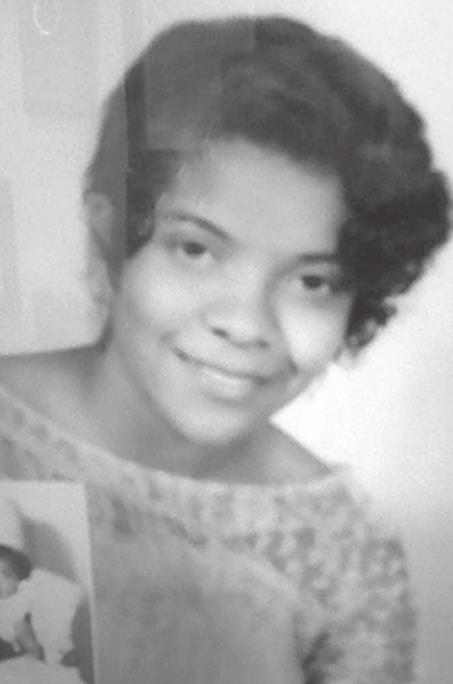
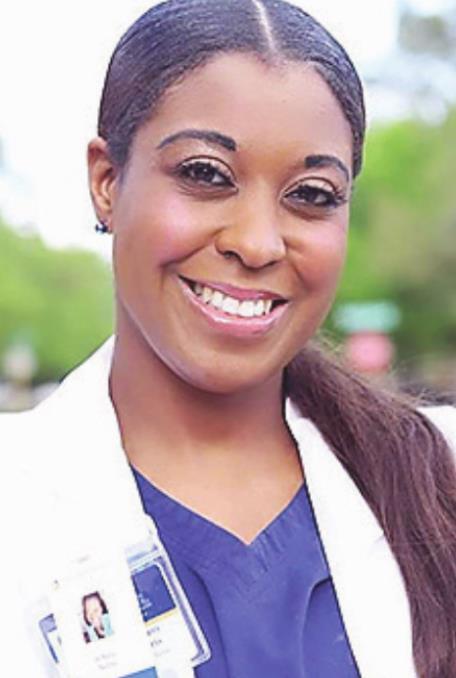
Recognizing these statistics, I reflect on my own family and many healthcare providers who have come before and after. I was fortunate to be the daughter of a registered nurse, Eula Sansom Hebert. She was a Prairie View A& M graduate and one of the first African American nursing instructors at El Centro College in Dallas prior to her tragic death. My daughter Brittany Norris-Holden carries on the legacy by not only being a registered nurse in the Houston area, but has also completed her MSN as a family nurse practitioner.
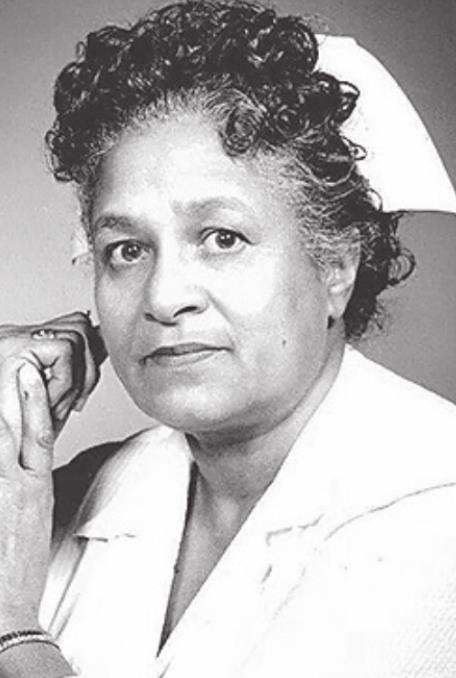
My great grandmother, Eula Bell Crayton Moultry, was a nurse and one of the first midwives in Rockdale. Born in 1901, she served Blacks and Hispanics when services were even more limited. She also delivered over 300 babies in Milam County as a midwife or doula. Later she became the first Black nurse in Rockdale, practicing under Dr. Richards in Rockdale and a Black physician in Taylor named Dr. Dickey. At one point, her photo hung in Richards Memorial Hospital.
Well into her retirement, “Big Mama” visited elderly patients in the nursing home and hospital to provide care. It was said that people would bring her their children to have teeth pulled and cure various ailments. As children we were often recipients of homemade remedies for colds and flu, among other illnesses.
I can almost smell the remedy for upper respiratory infections, called Musteroil. It was a sticky, warm, strong-smelling tallow like substance that Big Mama mixed together and warmed in a cast iron skillet. I have no idea what was in it. I just knew that when it was rubbed onto our chests and covered with flannel cloth, any congestion or aches cleared up quickly. Drinking tablespoons of Black Draught also cured our coughs.
There were other herbs and mixtures that were administered for a variety of ills, scrapes, cuts and bruises. When I split my forehead as a small child, I was healed with butterfly bandages and a homemade poultice. No stitches required.
Many Black families and other people of color relied on home remedies, folk medicine and recipes passed down from generations. The saying “necessity is the mother of invention” seems appropriate. Many created medicines from the roots of slavery and passed down remedies through generations.
Stereotypes and historical events designed to eradicate Black citizens or withhold care like the Tuskegee Syphilis Study, generate fear of medical experiments and delay early diagnosis of disease. Lack of access to testing or preventative screenings often leave many minorities with subpar care or late diagnoses that result in lasting negative effects or death. These impacts are passed through generations often becoming the horror stories of medicine.
Creating an environment of equitable and affordable treatments while building a foundation of trust is key to eradicating disparities in medical care. Ensuring proper nutrition, physical exercise, availability of clean air and water and proper housing can contribute to overall wellness.
My upbringing, however genetic or self-imposed, led me to a constant thirst for knowledge steeped in the medical profession and a desire to care for others in a multi-faceted manner. As a high-school student, I studied the effects, causes and cures of breast and colon cancer, which afforded me numerous awards and accolades in Regional and International Science Fairs. A pre-med student in college, I often gravitated towards medical research, studying in vitro fertilization and additional cancer research.
Later, when disappointed with some of the Western treatments for fibroid tumors, endometriosis and migraine headaches, I turned my attention to alternative medicine, gaining a Master of Science in Oriental Medicine and Herbology and obtaining a Texas Medical Board License as an Acupuncturist.
Acupuncture is a key component of the Traditional Chinese Medical practice of inserting very thin needles into the body at specific points based on the function of the point locations. It can treat pain, stress, insomnia, migraines, female problems and side effects from chemotherapy. It can help to identify early disease symptoms and often promotes wellness. A licensed acupuncturist completes at least three to four years of study consisting of Western Medicine, Traditional Chinese Medicine, herbology, herbdrug interaction and point energetics along with clinical practice.
As an acupuncturist, I use my skills to assist clients who have often given up on relief. Acupuncture can also be preventative. While Western medicine completely has a purpose and is necessary, in many cases alternatives allow patients to take an active role in identifying the root cause of conditions, changing longterm habits and often make strides towards optimal health.
Through this practice, I have been able to educate patients about preventative health, explain medical information and refer patients to appropriate care as needed. As a Health Equity Ambassador and community volunteer, I also help to educate citizens about available resources for breast and colorectal cancer, preventative screenings, nutrition and mental health support.
During each segment this Black History Month, I will focus on different types of medical assistance, alternative health practices and resources. This will also feature professionals with legacy ties to the Rockdale community.
- Log in or Subscribe to post comments.