

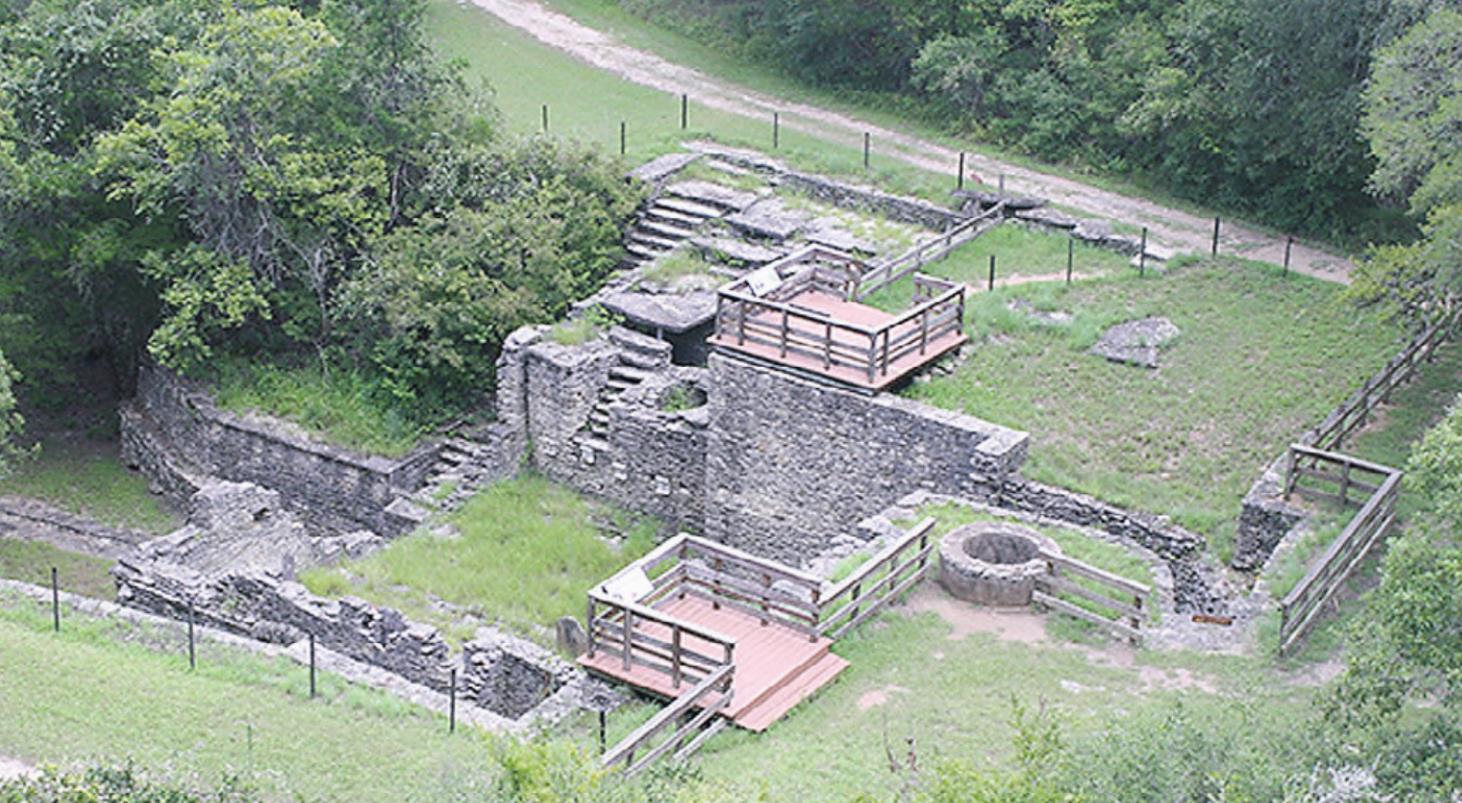
Staring down into the ravine at the long-abandoned Kreische Brewery in La Grange, it is not hard to imagine the site full of people with some producing beer and others buying it to enjoy at the nearby beer garden.
In the 1870s Heinrich Kreische, a naturalized U.S. citizen from Saxony in Germany, had built his brewery into the third largest such establishment in Texas.
People came from all around to try his Bluff Beer.
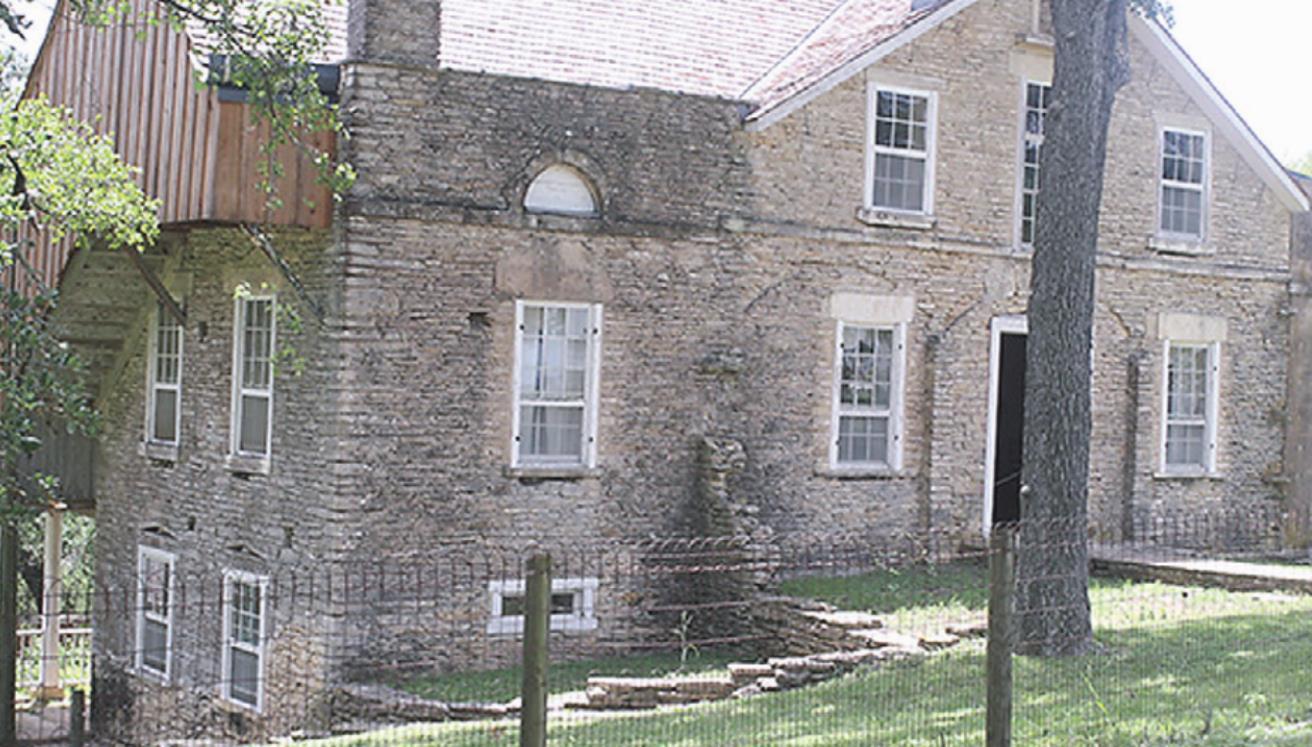
Kreische was a stonemason and his skill is evident from the ruins of the brewery and the home he built for himself, his wife, three boys and three girls.
The house sits on a bluff with a view of the Colorado River running close to the property. The bluff is the northern boundary of the Oakville Escarpment which is a dividing line between the upland post oak woodlands and the Fayette Prairie. The boundary to which flora and fauna are oblivious allows for great diversity in the plants and wildlife in the area.
The substantial home was built on a steep incline so when approaching the house from the west side it appears to have only two floors. But when entering from the east side it is obvious that there are three floors. All the staircases are on the outside of the house.
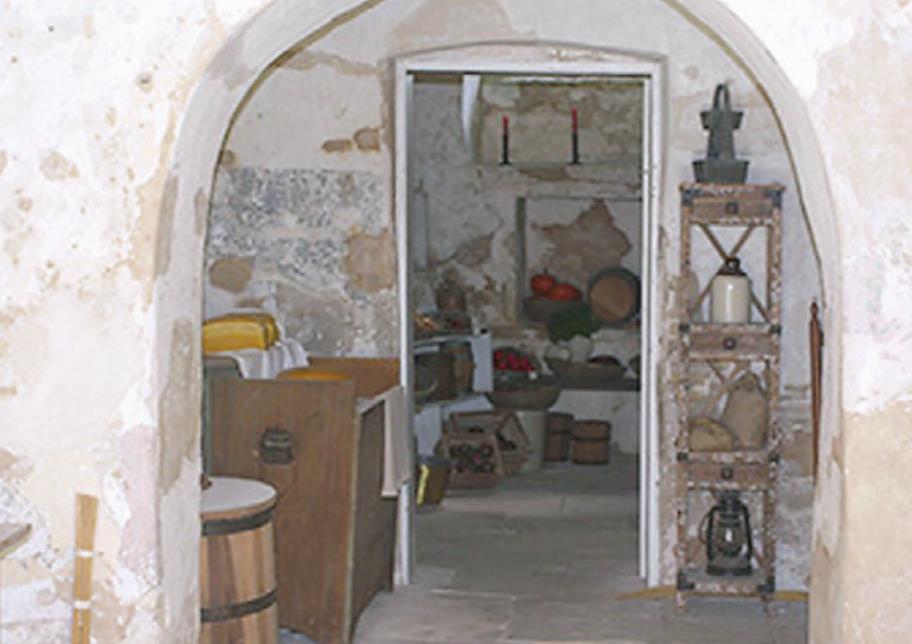
The first floor is where family members spent most of their waking hours. The large room was a combined dining room and family parlor. The meals were prepared in the kitchen on one side of the multi-use room. On the other side of the double use was a storage area.
After eating, the family would adjourn to the other side of the big room to talk, listen to music, play games, or study and read.
The formal parlor is on the floor above the family parlor and it opens to the outside on the west side. It was “grandly furnished” and is where the family had parties and other gatherings deemed important. Off to one side of that room was the master bedroom and on the other was the girls’ bedroom. There third floor was an open area where the boys and a couple of servants slept.
There is also a small detached room on the south side of the house. It sits over the cistern and was used as the sewing room.
Other structures on the grounds are a smokehouse and a barn.
There is also a reminder of the Texas struggle with Mexico after it won its independence from that country in April of 1836.
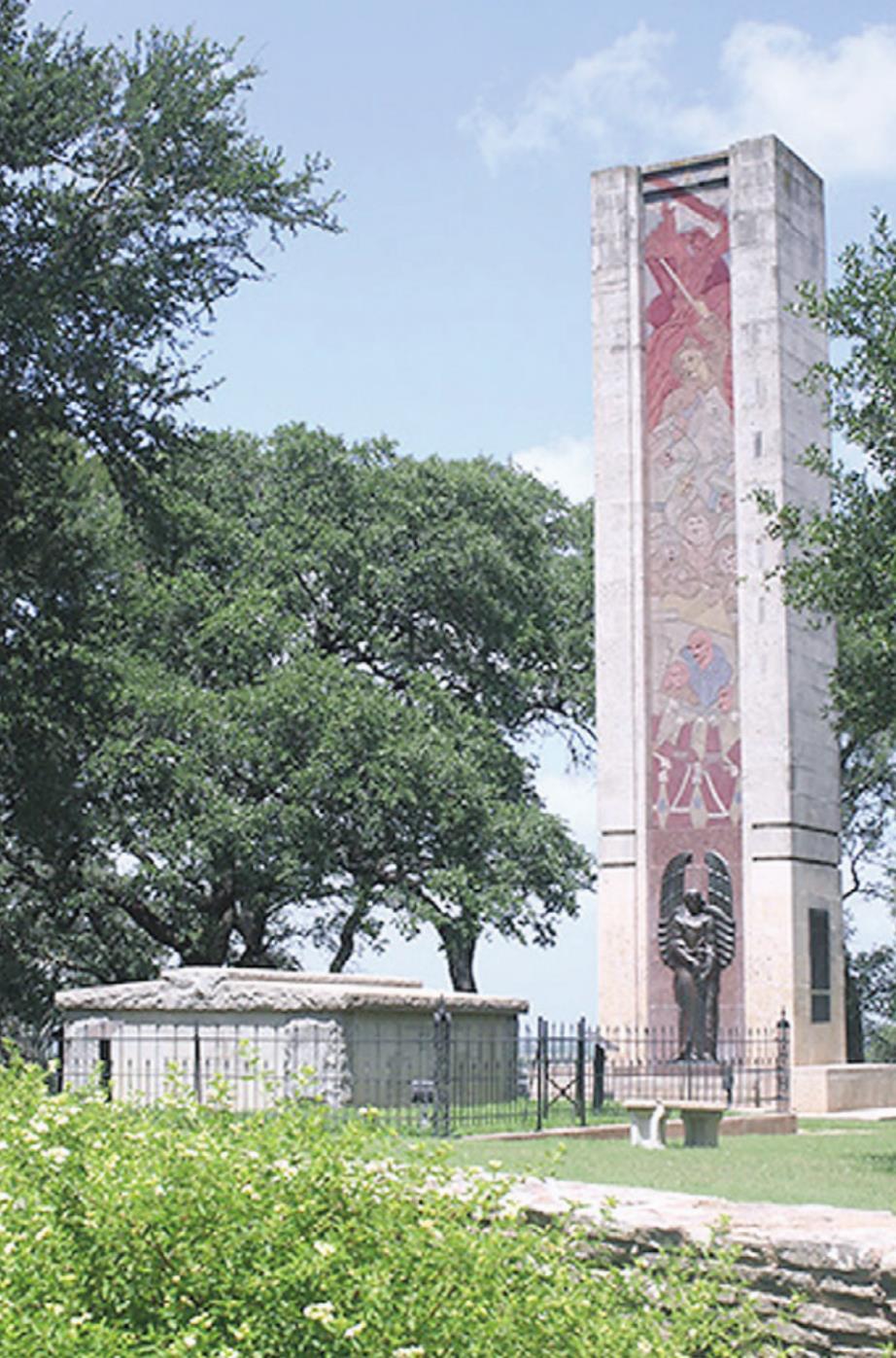
A tall shellstone monument stands on the Kreische grounds. The 48-foot tall monument features an art deco mural with a big bronze angel at its base. It is a tribute to the memory of the men who died in the Dawson Massacre of 1842 and the Black Bean Episode of 1843.
The remains of the men were brought back to the La Grange area and buried in a vault that is in front of the monument. La Grange was selected as the final resting place for the soldiers because many of the surviving family members of the dead lived nearby.
Their remains were gathered up and brought back to the site in 1848 and placed in a sandstone vault built by Kreische.
The Daughters of the Republic of Texas cleaned up the area in the 193os and the remains of the soldiers were placed in a granite vault.
During the Texas Centennial celebration in 1936 the state erected the monument and the entire site is now maintained by Texas Parks & Wildlife Department.
- Log in or Subscribe to post comments.