

There is more to Washtington-on-the-Brazos State Historical Site than exhibits of history in a museum. Some of that history is “alive.”
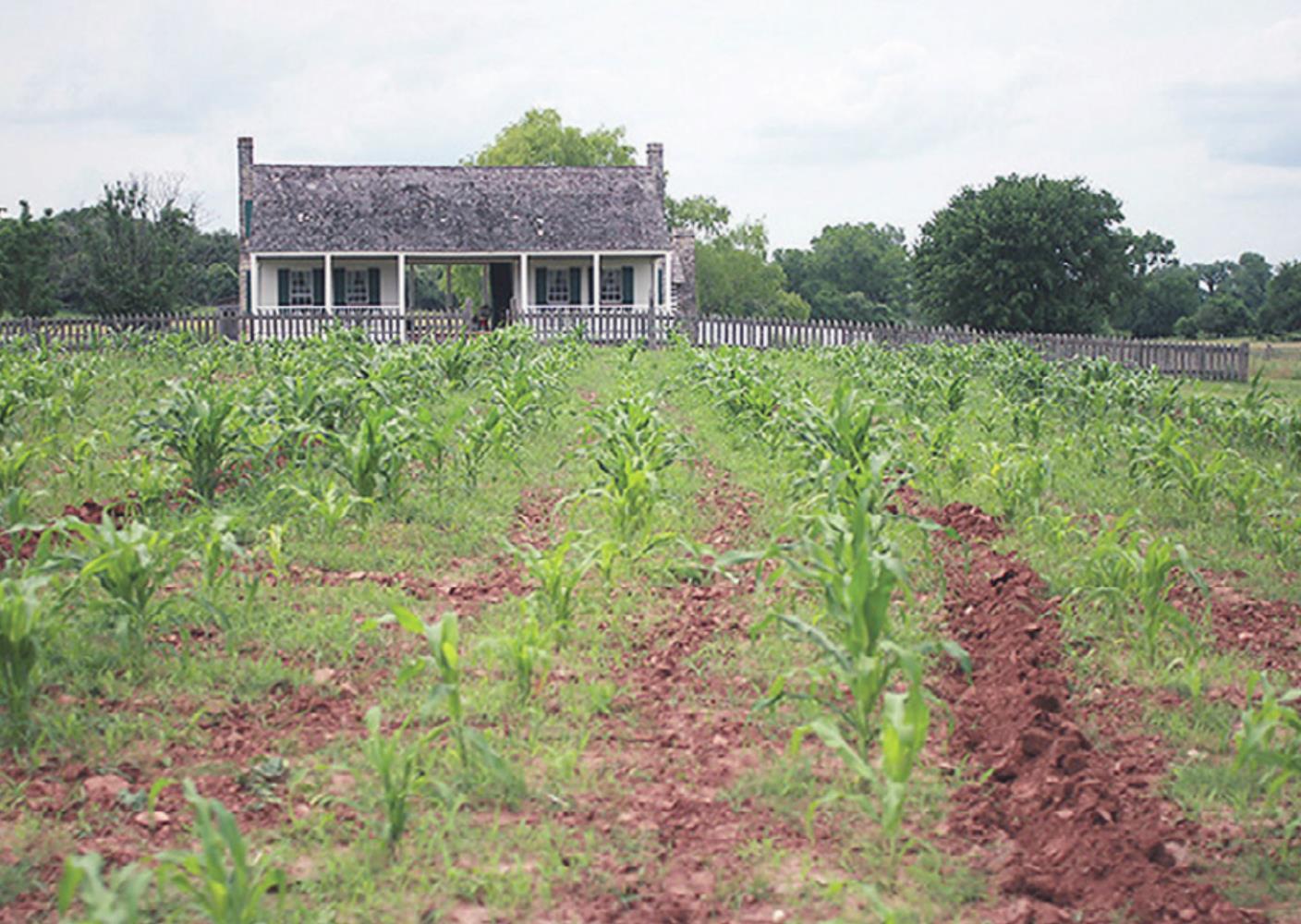
The plantation home of Anson Jones, the last president of the Republic of Texas is also on the grounds.
History educators work every weekend around the Barrington Plantation plowing, cultivating, building fences or any number of other activities that made up life on the farm in 1850s Texas.
They are also more than willing to answer questions visitors might have as they roam around the plantationhouse, other buildings and the surrounding fields.
Like “what kind of hogs and pigs are those there on the farm?”
“Why, those are Ossabaw,” lead educator Ben Baumgartener might answer. He might also tell you that they were the kind on the farm back in Jones’ day and they are from an island off Georgia.
Or you might wonder why the fences around the place look like they do.
It is because they are stake and rider fences that are sturdy, but easy to move around.
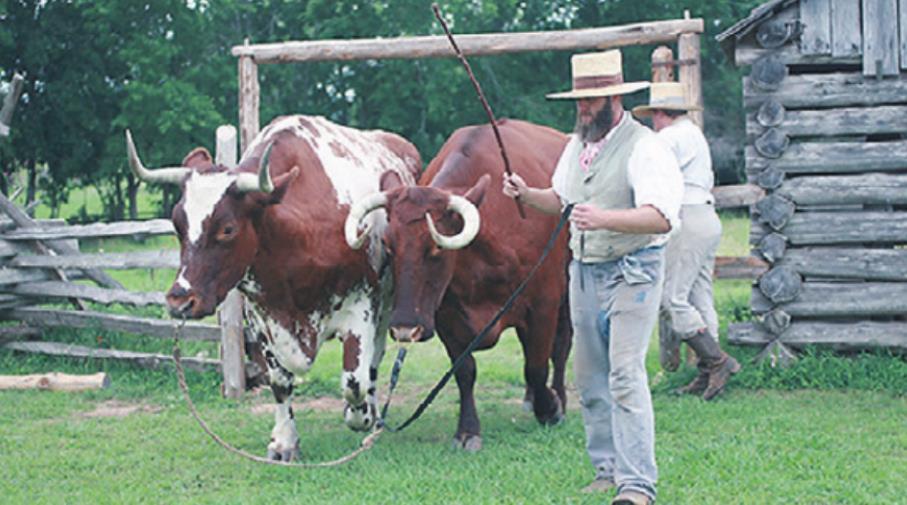
Inside those fences are shorthorn steers, William and Polo. William is the big one weighing in at 2,700 lbs.
The main house at Barrington is not a mansion. It is rather small. It is built dog-trot style with a breezy, huge porch.
The family, which consisted of Jones, his wife and their four children would sometimes have meals out on the breezeway. Joining in those family meals were Jones’ unmarried sister and four nieces orphaned when Mrs. Jones’ sister died.
The plantation house has four rooms downstairs and a dormitory upstairs where the eight children slept.
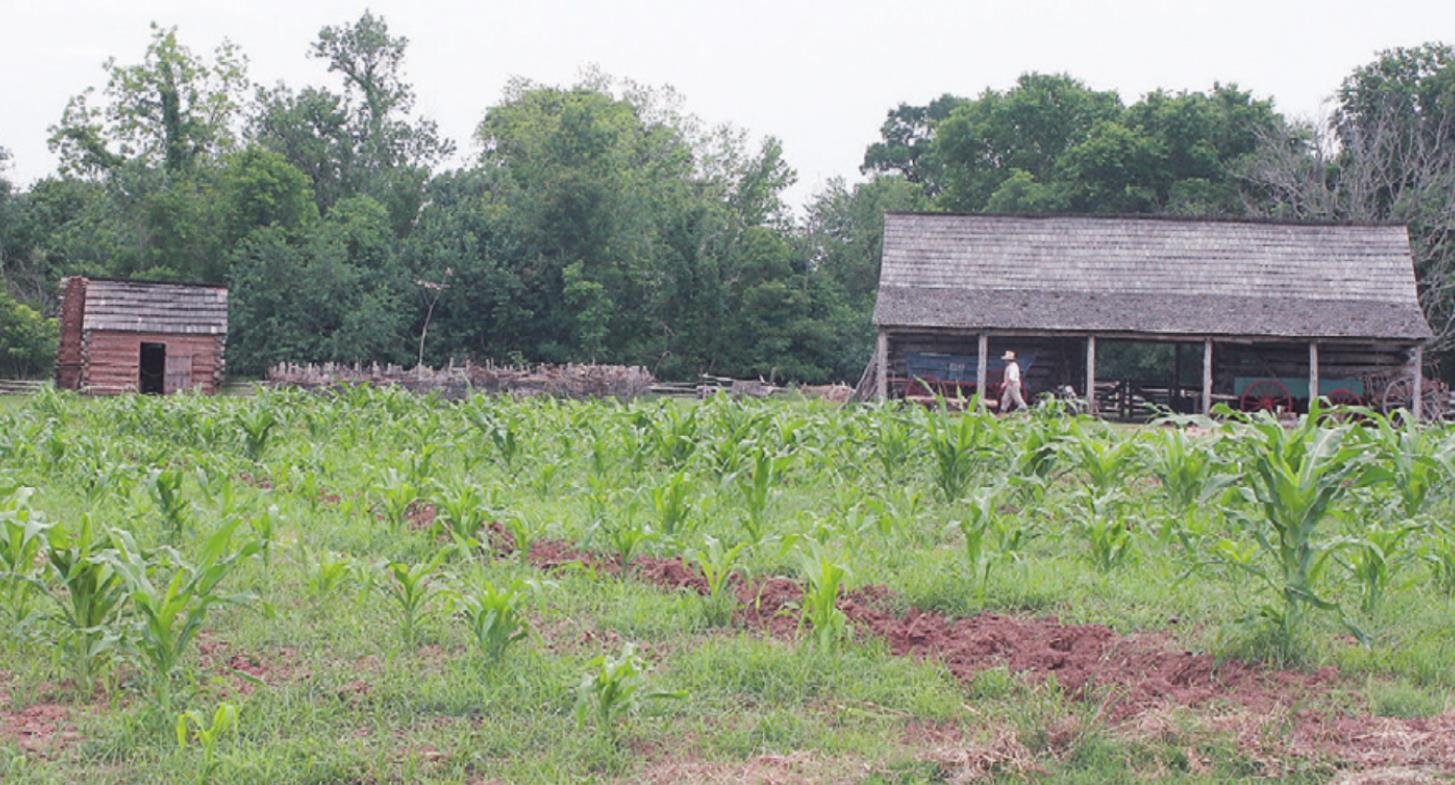
Behind the main house are the kitchen, smokehouse and pens for turkeys, ducks and chickens. Across the roadway are the corn and cotton cribs, the barn, the hog pen, a chicken yard, as well as the fields and an orchard.
Jones, as was the case with the wealthier landowners at the time, was a slave owner so there are also two cabins where the enslaved workers lived. They are across the road from the main house out by the barn.
- Log in or Subscribe to post comments.