

There is way more to Waco than Baylor U and the Silo District.
And there is something just a few miles from downtown that has been there way longer than the silos and even Baylor University, too.
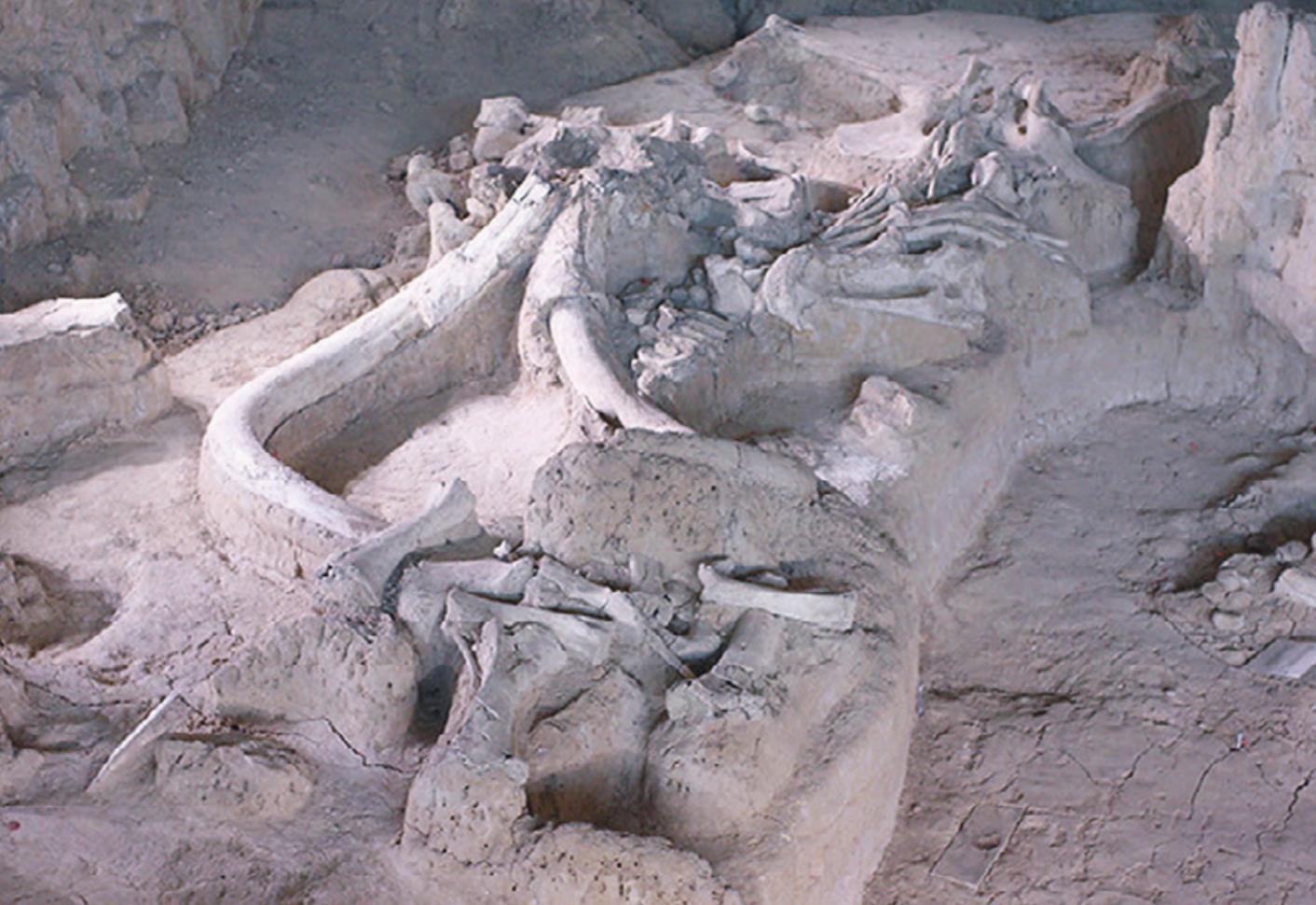
Thousands of years ago during the Pleistocene Epoch, great big Columbian mammoths wandered around the land near what is now Waco. Columbian mammoths were larger than the better known woolly mammoths, which were about the size of modern-day elephants.
The Waco site was discovered in 1978 when two men saw a bone sticking out of a dry creek bed. They took it to Baylor where it was identified as the fossilized bone of a mammoth and the great dig began.
Excavation led to more bones until the remains of 23 mammoths were identified at the site.
Visitors to what is now the Waco Mammoth National Monument can see the dig site where the fossils were found.
The Waco location is the only recorded evidence of a nursery herd of Columbian mammoths anywhere.
While there are still scientists studying the site, there is a place for visitors to see some of the bones in the earth where they have rested for thousands of years since buried there during an iceage flood.
A building now covers the dig site and there is a walkway for visitors viewing not only the mammoths fossils, but those of a camel and what some believe is a sabertooth cat.
The site became a national monument in 2015 after President Barack Obama signed an executive order establishing Waco Mammoth National Monument and making this site a new unit of the National Park System.
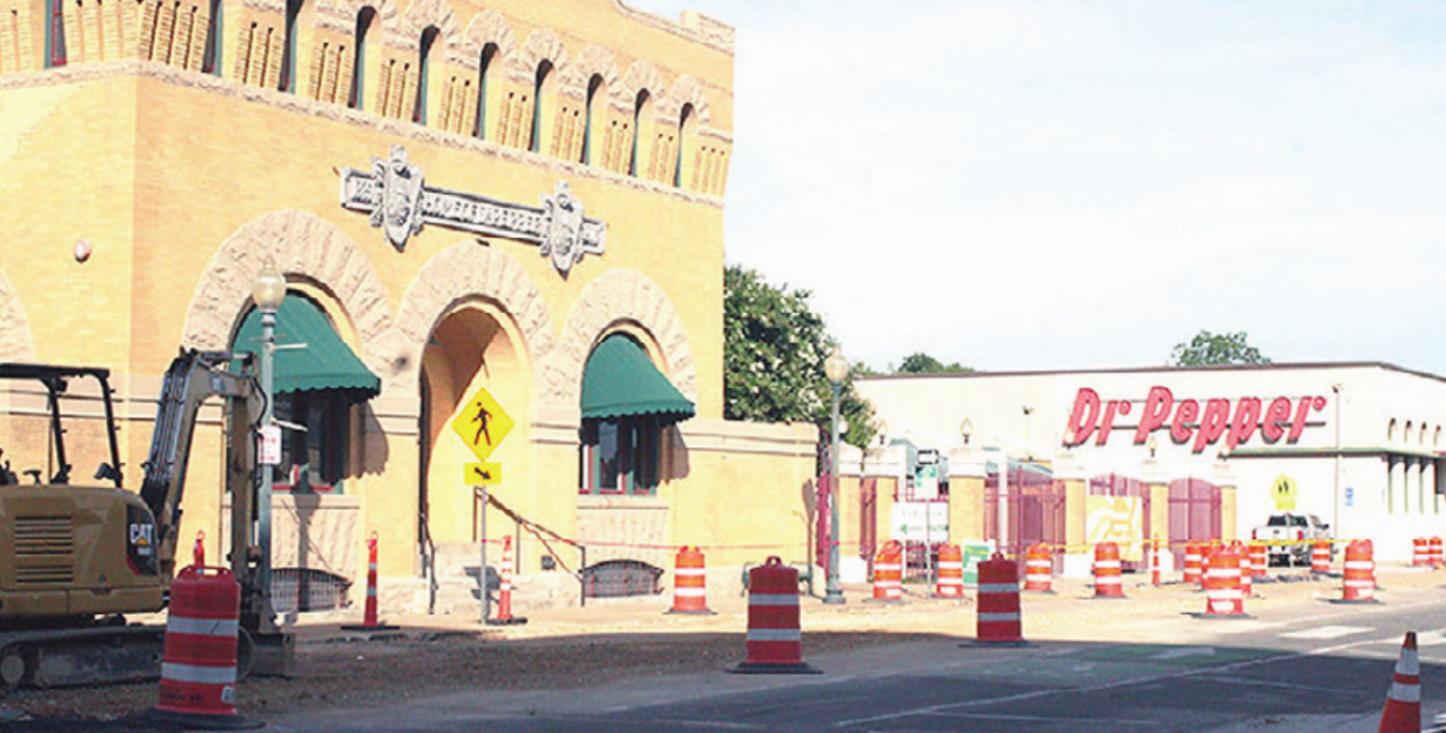
DR PEPPER MUSEUM—For something with a more recent history and is still around today, day-trippers can head downtown for a self-guided tour of the Dr Pepper Museum and Free Enterprise Institute, which is a private nonprofit organization governed by a board of directors.
The museum is filled with memorabilia from the early days of Texas’ own Dr Pepper and other soft drinks.
There is even a speaking mannequin who represents Charles Alderton, the young pharmacist working the Old Corner Drug store who is believed to be the one who came up with the formula for Dr Pepper. He “tells” how he came up with the now world-famous concoction.
He “says” he liked the way the drug store smelled, with all of the fruit syrup flavor smells mixing together in the air. He spent some time coming up with a blend for a drink that tasted like the soda fountain smelled.
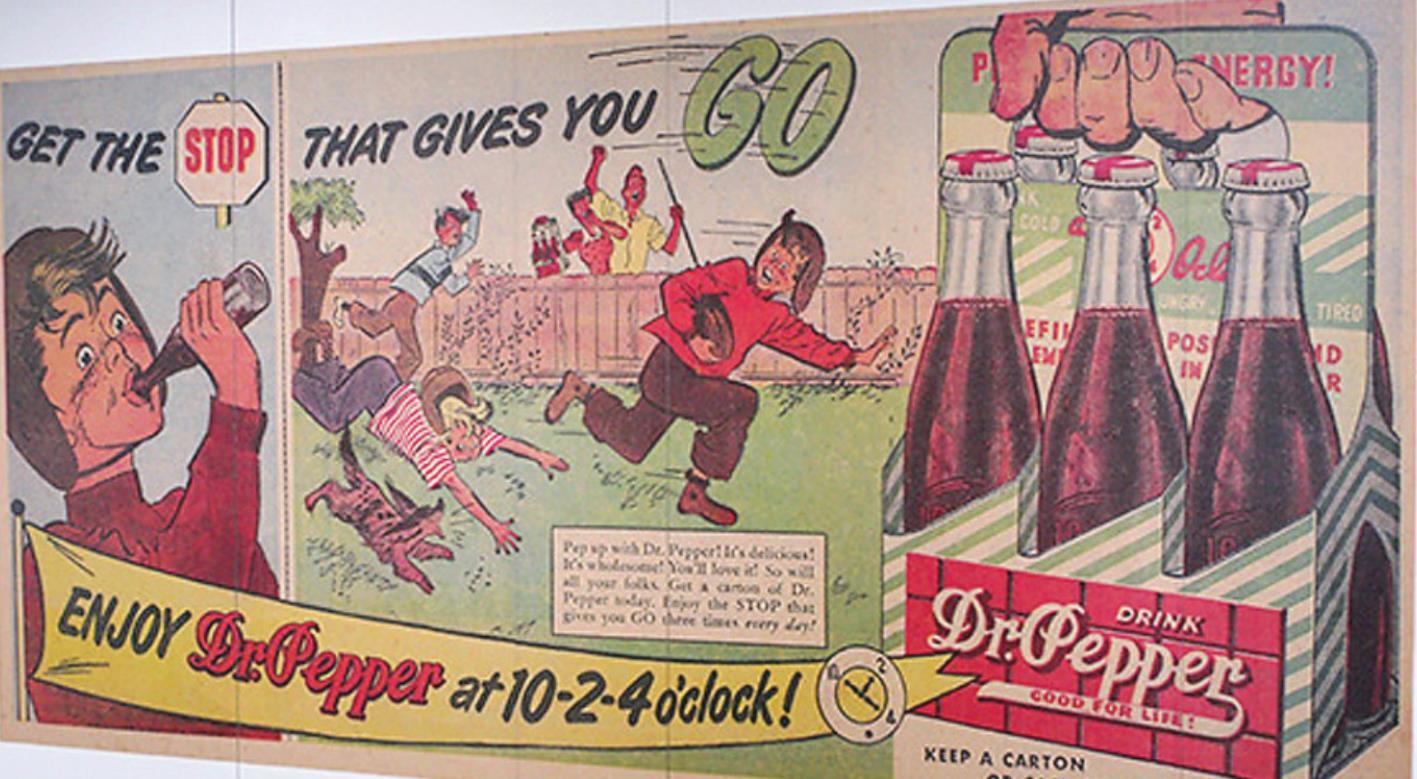
The first floor is devoted to the history of soft drinks, while the second floor is devoted to the company’s advertising and promotional campaigns through the years.
The third floor is a blend of history and advertising with an emphasis on W.W. Foots Clements who started out as a route driver and rose to the chairman of the board position.
The first floor is not totally devoted to Dr Pepper, but also has information about soft drinks that were eventually distributed by what is now Keurig Dr Pepper.
Hires Root Beer is one of those soft drinks and its bigtime promoter was Charles Elmer Hires who was a strong believer in advertising. In the early days, Hires called root beer “the greatest health-giving beverage in the world,” and presented in as an alternative to alcohol in those days of temperance.
His advertising paid off and he would say, “Doing business without advertising is like winking at a girl in the dark; you know what you are doing, but nobody else does.”
Dr Pepper was also big into advertising and launched many memorable and seasonal campaigns.
There was “Drink a bite to eat at 10-2-4” from the ’30s, “The friendly Pepper-Upper” of the ’50s and the catchy “Be a Pepper” campaign of the ’70s.
One spring campaign from the ’50s had patrons getting “free” zinnia, petunia, marigold or aster seeds with each carton of Dr Pepper they bought.
But not everything was sweet in the Dr Pepper orbit. For six years in the ’60s, Dr Pepper tried to get Americans embrace Pommac, a sour-tasting drink popular in Europe that is still popular there today. But it is a bitter marketing memory in Dr Pepper’s otherwise tasty history.
- Log in or Subscribe to post comments.