

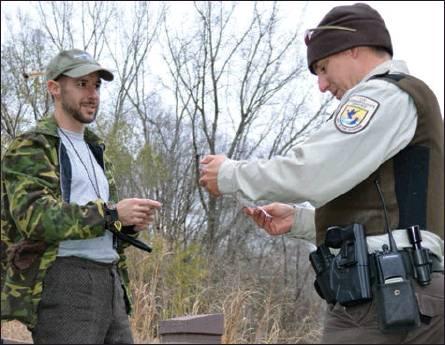
When you commit to hunting, it is your responsibility to ensure you do so legally.
Obtaining a license does more than keep you from facing serious charges if caught without one. Its fees also contribute to the conservation fund that fish and wildlife require to thrive.
Before heading out this season, make sure you behold the documentation to make your favorite hobby completely legal.
While hunting regulations in different areas can vary greatly, most locations require hunters to be licensed. Check with your local municipality to determine which documents you are required to have based on the type of game you plan to hunt.
Plan to spend this hunting season without fear of a game warden discovering your hunting excursion is not legally supported.
WHERE TO
GET A LICENSE
Fortunately, obtaining a hunting and fishing license is quick and easy in most states. The United States Fish & Wildlife Service suggests finding one at any retail outlet that deals in hunting and fishing equipment, such as sporting goods stores.
This provides enthusiasts with an incredible convenience as you can pick up gear while you get a license. Look for upgrades for your weaponry or advanced tools like efficient clothing, tech-savvy navigation supplies and decoys to help your hunt.
You can also register for a license on most state’s websites. Simply choose the type of certification you need and fill out a form to instantly print your legal document.
RISKS OF GOING
WITHOUT
Each state enforces their own penalties to punish hunters who forgo a license, take the time to understand your unique regulations. Here are some common types of punishments local jurisdictions use to protect their wildlife conservation.
Tickets for unlicensed hunters which include fines, court costs and attorney fees;
Convictions of game-law offenses may cause infractions to your record that lead to the loss or suspension of your right to hunt; and
When hunting during a closed season, you may face financial penalties and a revocation of your hunting privileges.
Local and federal governments depend on the funds raised through acquiring a license to preserve the habitats of wildlife and ensure the benefits they provide are protected.
- Log in or Subscribe to post comments.