

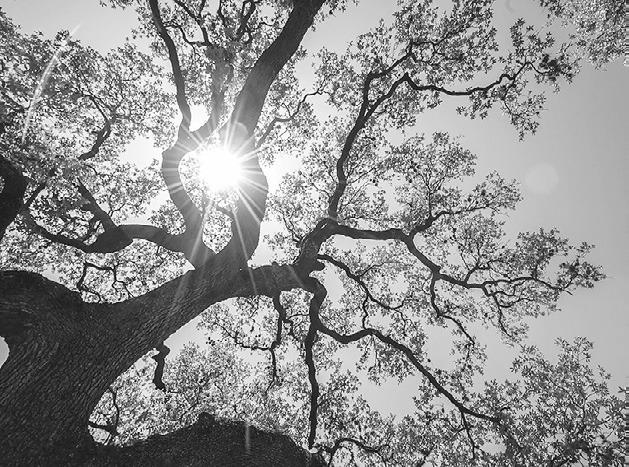

The past few summers have been especially difficult for our trees. Periods of drought, record high temperatures, along with some extended winter freezes have given significant obstacles to overcome. As can be seen throughout the county, and statewide, these have resulted in the decline of many previously healthy trees, in a variety of species. Understanding proper tree care can give the boost needed to pull through.
Water is the number one factor that can influence the health of a tree. Water is an ingredient in each physiological process that allows trees to function. As such, ensuring that trees have an adequate supply is essential to their well-being. Trees do not possess a system to store water. Water is constantly being pulled from the soil and is then released back into the atmosphere through the process of transpiration. Therefore, it is essential to water regularly, especially in prolonged periods without precipitation.
In terms of watering, and using our water resources responsibly, there are a few rules of thumb to follow. First, water in the morning or in the evening. During the hottest parts of the day, evaporation losses increase, leading to the waste of water resources, as well as less water being utilized to add moisture to the soil. Mulch is another helpful tool that can be utilized effectively. Adding 3 inches of mulch can significantly reduce moisture loss.
There are also some things to be avoided in summer months to tax the trees as little as possible. The usage of synthetic fertilizer leads to an increase in water demand. Utilizing an organic fertilizer can provide some of the same benefits without that primary drawback. It is also wise to avoid pruning during summer months. For one, in oaks especially, there are diseases that trees can be prone to post-pruning. Secondly, to seal the wound created from pruning, energy is expended that could otherwise be used on essential physiological functions. Disturbances to the soil around trees can also have a significant negative effect, especially on our oak species.
- Log in or Subscribe to post comments.